Floral Embroidery Leather Texture: A Designer's Practical Review
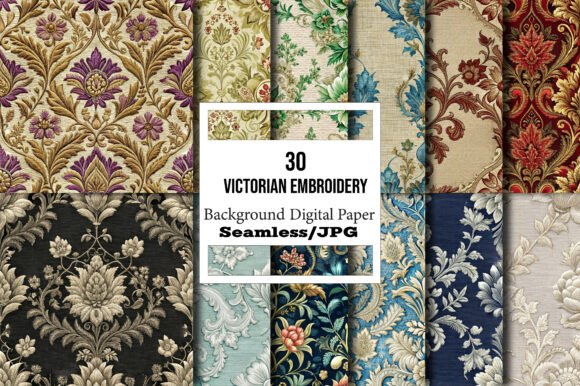
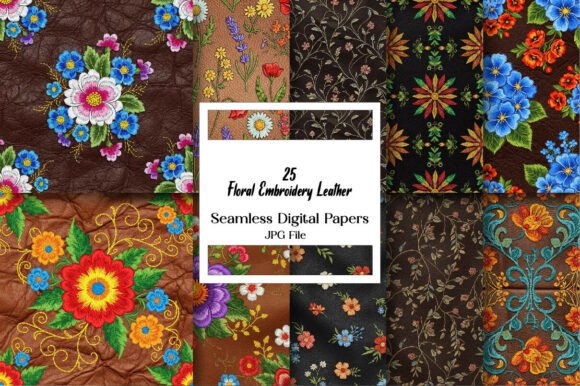
When I first opened the Floral Embroidery Leather Texture pattern, my immediate thought was, “This is for a gift.” It has that blend of ornate charm and sturdy, timeless character that doesn’t scream trendy, but whispers quality. The seamless, repetitive layout feels inherently reliable—a pattern you can trust to cover a surface evenly without awkward gaps. It strikes a mood that’s both delicate and durable, which is exactly the personality you want for products that are meant to be both beautiful and used daily.
Where This Design Naturally Belongs
This pattern’s visual personality leans toward accessories and decor that carry a personal touch. The floral motifs intertwined with that leather-like texture suggest something crafted, something with heft. I pictured it instantly on a tote bag—not a flimsy market bag, but a structured, canvas tote meant for a bookstore or a boutique. It would elevate a simple notebook cover into a cherished journal. For pillow covers, especially in a nursery or a cozy reading nook, it brings a soft, vintage-inspired texture without being overly fussy.
In my real-world scenario, I was preparing a custom baby gift set for a client: a personalized pillow and a matching apron for the new mom. The client wanted something “sweet but not babyish, something that would last.” Floral Embroidery Leather Texture came to mind immediately. The pattern’s seamless nature meant I could easily scale it to fit both items, creating a cohesive look. The leather texture detail, when rendered in satin and fill stitches, would give the embroidery a pleasing tactile depth that feels substantial on fabric.
The Real-Life Embroidery Performance Check
Let’s walk through how this design performs across the projects you’re likely considering. On custom apparel like sweatshirts or t-shirts, the density and detail level need careful consideration. For a sweatshirt, this pattern could make a stunning, all-over panel on the back, but I’d advise using a sturdy stabilizer due to the knit fabric. On a baby item, like a romper or blanket, its charm is undeniable, but always test the stitch density on a scrap of similar fabric first. A too-dense design on thin cotton can become stiff.
For patches, this is a fantastic candidate. The seamless pattern means you can crop a section for a perfect, self-contained patch for a cap or bag. The “leather texture” element, when embroidered, will give the patch a rich, dimensional look that sets it apart from flat floral designs. On kitchen towels or aprons, it offers that decorative, almost retro feel that sells well at craft fairs. As a digital asset for printable fabric or sublimation graphics, the pattern’s continuous nature is a major advantage for creating mockups and previews for your Etsy listings or small shop merchandise.
Caution Areas: Where to Use This Design Carefully
Every design has its ideal applications, and a thoughtful designer knows where to proceed with caution. The detail in this pattern, while beautiful, means you should be wary of very small hoop sizes. Trying to cram the full intricacy into a 3-inch hoop might lose the clarity of the leather texture lines. Similarly, on highly textured fabrics like thick wool or on curved surfaces like baseball caps, those fine details might not resolve with perfect clarity—a simpler section of the pattern might be a better choice.
Dark fabric backgrounds are a classic challenge. The design’s mood might shift dramatically. I always recommend testing it in both light and dark mockups before committing thread. On stretchy fabrics, the fill stitches for the floral elements could potentially pull, so proper stabilization is non-negotiable. For products destined for frequent washing, like tea towels, consider using tighter, shorter fill stitches to enhance durability. Always inspect the smallest details in your embroidery file preview; ensure no tiny, isolated stitch clusters could become loose over time.
How This Pattern Impacts Your Product’s Appeal and Value
Using Floral Embroidery Leather Texture isn’t just about putting a design on a product; it’s about crafting an item with a specific feel. This pattern directly influences visual appeal by offering a complex, layered look that suggests skilled craftsmanship. That boosts product value and customer trust. A handmade presentation feels more professional and intentional. For giftability, it scores high—it looks thoughtfully chosen, not generic.
For brand consistency, if your small business merchandise leans toward rustic, feminine, or timeless styles, this pattern can become a reliable part of your visual library. It engages buyers because it’s interesting to look at; the combination of floral and texture invites a closer glance. In commercial embroidery projects, such as a run of tote bags for a boutique, it creates a recognizable, cohesive product line that feels designed, not random.
Practical Notes From the Embroidery Hoop
Before you run this machine embroidery design for a client project or your next craft fair batch, here are my grounded, friendly notes. First, stitch it out on scrap fabric—the same fabric you intend to use. This is the only way to truly check thread color contrast and see how the leather texture lines translate into satin or running stitches. Review the stitch density in the actual embroidery file; does it feel appropriate for your target fabric?
Confirm your hoop size can accommodate the area you want to cover without compromising detail. If you’re creating digital products or printable mockups from this graphics pattern, test how it looks in black and white as well, for universal previews. Always, always check the licensing terms provided with the design before selling finished items or incorporating it into commercial design assets. Unless clearly stated, assume you need to verify its use for commercial projects.
Finally, think about thread colors. This design might traditionally suggest earthy tones or muted pastels, but a bold color palette could transform it into something modern and striking. The pattern’s strength is its adaptability. It can be a delicate accent on a baby blanket or a bold statement on a canvas tote. Its seamless nature means it’s a workhorse pattern for your business, but its detail demands your respect as a maker. Approach it with a plan, and it will reward you with finished products that carry that confident, handmade charm your customers are looking for.