A Designer's Review of the Eiffel Tower Car Coaster Embroidery
As an embroidery designer preparing for a weekend craft fair, my first task is to curating my product lineup. When I evaluate a new design like the 3D Eiffel Tower Embroidery Car Coaster, I think about its real-world potential: will it stand out on a crowded booth, is it practical to produce in batches, and does it have that instant visual appeal that makes a customer stop and look? Let’s walk through this review from a maker’s perspective.
First Impression: Elegant, Decorative, and Instantly Recognizable
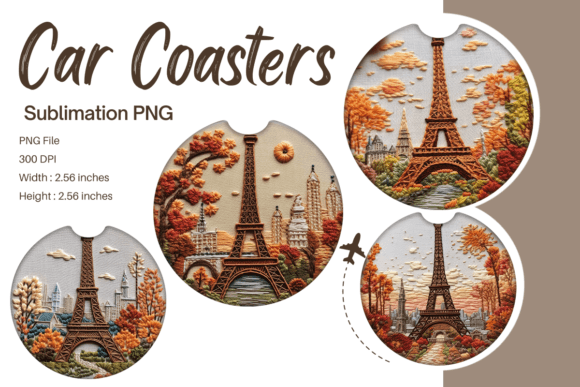
The title alone tells me this design leans toward elegant and decorative. The Eiffel Tower is a classic, romantic symbol, and the “3D” descriptor suggests an embroidery design with depth and dimension, which is a premium selling point. This isn’t a cute farmhouse motif or a minimalist graphic; it feels like a statement piece. For my booth, which mixes playful and sophisticated items, this could add a touch of Parisian charm that appeals to travelers, Francophiles, or those looking for a gift with a sense of destination.
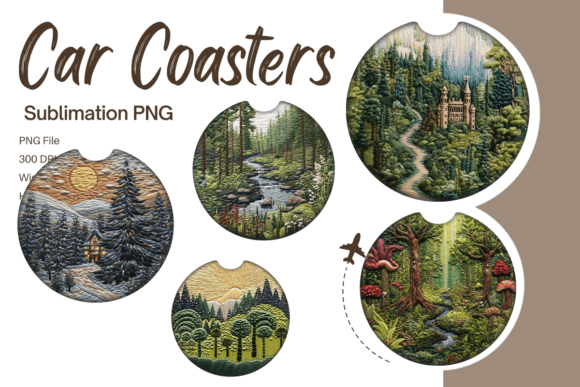
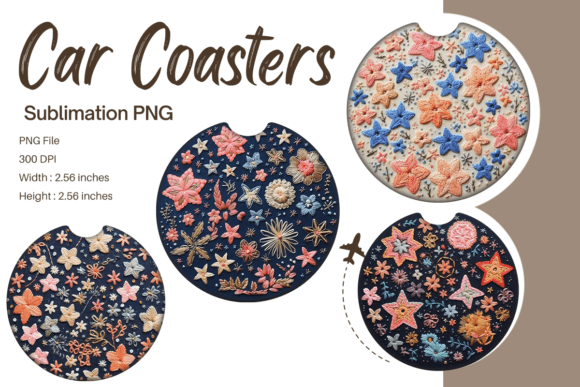
However, the product description clarifies this is a digital download meant for sublimation on car tags and coasters, falling under Print Templates and Graphics. As an embroidery specialist, I immediately consider how this graphic would translate into a machine embroidery design. Its success hinges on whether the detail level is suitable for stitching.
Where This Design Could Shine at Your Craft Fair Booth
Imagine my table: embroidered tote bags, aprons, tea towels, patches, caps, and small pouches. Where would the 3D Eiffel Tower Embroidery Car Coaster design fit best?
- Tote Bags & Market Bags: As a large focal design on the front of a canvas tote, it would create a high-value, travel-ready product. The recognizability grabs attention from across the booth.
- Aprons & Kitchen Towels: Here, it becomes more of a decorative accent. On a crisp white apron or a textured tea towel, it adds a sophisticated touch without overwhelming the item’s function.
- Embroidered Patches: This is a strong contender. A well-stitched Eiffel Tower patch can be sold individually or applied to bags and jackets. It’s a lower-cost item that can drive quick sales.
- Caps: Embroidering on curved cap surfaces is tricky. This design’s likely intricate details might lose clarity on a small, curved area unless simplified or enlarged.
- Pillow Covers & Small Pouches: As a giftable handmade item, a pillow cover with this design feels premium and decorative. Small pouches become special “Paris souvenir” holders.
- Booth Samples: Having one beautifully embroidered tote bag as a sample instantly demonstrates the quality and attracts customers to the smaller, quicker-to-make items like patches or coasters.
The key is versatility. This design has the potential to be scaled. As a large design on a bag, it’s a focal point. As a smaller accent on a towel or pouch, it’s a charming detail. This scalability is crucial for batch production efficiency at a fair.
Practical Production Points for the Busy Maker
Before I commit to producing a line of products with this embroidery file, I have to think through the making process.
Stitch Density and Detail: The “3D” effect often involves layered stitching and potentially dense areas. On thick fabrics like canvas for tote bags, this is fine, but on thinner fabrics like for pillow covers, a proper stabilizer is essential to prevent puckering. Tiny details and possible small lettering (if the design includes text) could become problematic at smaller sizes, losing clarity and increasing stitch break risk.
Photography and Online Sales: For my Etsy listings and printable mockups, this design photographs well. Its iconic shape is easy to understand at a glance online, which is vital for digital sellers. On dark fabrics, I must carefully select thread colors for sufficient contrast—a light thread palette would be necessary.
Batch Production and Consistency: Is this design repeatable? If the file is clean and runs smoothly on my machine, producing a batch of patches or towels is feasible. It contributes to brand consistency if I have a line of travel-themed products. I always advise: check the commercial licensing of the digital file before selling finished products to ensure your small shop is covered.
Critical Designer Notes Before You Stitch
My professional routine for any new design involves these steps, and I recommend them for this one:
- Test on Scrap Fabric First. Use the same fabric type you intend for your final product (canvas, linen, cotton) to check for puckering and stitch quality.
- Review Thread Contrast. Stitch a sample on both light and dark scraps to see how the color palette performs.
- Confirm the Hoop Size Required. The description doesn’t specify an embroidery file format or hoop size, so if you are converting or using this graphic as an embroidery design, you must determine the optimal hoop size for your intended product scale.
- Inspect Stitch Density. Look for areas that might be too dense for delicate fabrics or that could wear poorly on high-use items like towels.
- Create At Least One Real Mockup. Before the fair, make one finished product, like a tote bag or patch. This real item informs your production time, cost, and gives you a powerful physical sample for your booth display.
- Compare Fabric Colors. How does the design look on natural linen versus black cotton? This helps you plan your product color range.
Final Judgment: A Strong Contender for Decorative Gift Items
The 3D Eiffel Tower Embroidery Car Coaster design, as a concept, holds solid potential for craft fair sellers. Its visual appeal is high—it’s decorative, elegant, and instantly associated with a beloved city. This directly boosts product value and customer attention at a busy market.
For production, its success depends entirely on the quality and suitability of the specific digital embroidery file. If the detail is manageable and the file runs cleanly, it can become a lucrative part of your handmade product line, particularly for giftable handmade items like pouches, pillow covers, and tote bags. It would strengthen a booth display by adding a sophisticated, travel-themed option.
My advice: if you are an embroidery business owner intrigued by this design, obtain the file and follow the testing steps above. Its iconic nature could make it a steady seller, but only if it translates practically into stitch form. For those focusing on sublimation for car coasters as the listing intends, the evaluation shifts to print quality and material compatibility. But for us embroiderers, the dream of a beautifully stitched Parisian motif on our craft fair products is certainly worth a thorough, professional review.