Practical Review of the Geometric Cross Stitch Design
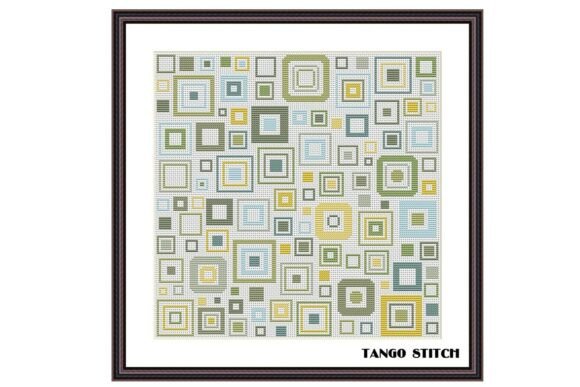
When I first looked at the Green Yellow Geometric Cross Stitch Art pattern, my immediate thought was “this is a confident little graphic.” It has a clean, mid-century modern personality that feels both retro and current. The sharp angles and blocks of color aren’t trying to be cute or overly sentimental; they’re aiming for a kind of sophisticated, graphic simplicity. That’s a valuable mood for embroidery, as it can elevate a simple item into something that looks thoughtfully designed.
The Kind of Projects This Design Naturally Belongs To
This design isn’t fussy, so it won’t get lost on a busy fabric. I picture it perfectly centered on a minimalist canvas tote bag, creating a statement piece for a boutique. It would look equally sharp on the breast of a heavyweight cotton sweatshirt, offering that modern, art-school vibe. Because the shapes are clear and the color palette is limited to green and yellow, it’s also a fantastic candidate for a decorative patch. You could stitch it onto a denim jacket or a backpack with great results.
Thinking about gifts or small shop merchandise, this pattern has a broad appeal. It’s not gendered or age-specific. A pillow cover with this design in a nursery would feel fresh and contemporary, not traditional. Embroidered on a nice kitchen towel, it becomes a high-end functional gift. For a creative entrepreneur, this embroidery file is a versatile design asset that can be applied across a line of products—from aprons to tea towels—maintaining a consistent, minimalist brand aesthetic.
Where This Design Should Be Used With Care
While the geometric nature is a strength, it also demands precision. On highly textured fabrics like a loose-weave blanket, those crisp lines might soften and lose some definition. On stretchy fabrics like t-shirts, you’ll need excellent stabilizer to prevent any distortion of the angular shapes. I’d be cautious about using it on very dark fabric backgrounds without testing the thread color contrast first; the yellow, especially, needs to pop.
The design likely has areas of solid fill stitch. On small hoop sizes or curved surfaces like caps, those dense stitch areas could become overly thick or stiff, affecting comfort and wearability. Always test a new design like this on scrap fabric first, mimicking the final project’s fabric and hoop size. This is a crucial step for any custom apparel or commercial embroidery project to ensure the finished product feels right.
Real-Life Scenario: Preparing a Custom Embroidered Tote
Let’s walk through a real case. Imagine you’re an Etsy seller preparing a batch of custom embroidered tote bags for a craft fair. You choose a natural canvas fabric. The Green Yellow Geometric Cross Stitch Art pattern is perfect—its modern vibe aligns with your shop’s branding. You stitch it. The clean lines come out beautifully, the colors feel vibrant against the neutral bag. The handmade presentation is professional and artistic. A customer sees it and isn’t just buying a bag; they’re buying a piece of graphic art. That enhances product value and buyer engagement.
However, you notice one corner of the geometric pattern has a very tight, detailed angle. On your test run, you see a slight puckering. You adjust your stabilizer choice and perhaps use a slightly smaller needle for that section. This kind of observant, practical tweaking is what turns a good digital embroidery file into a great finished product.
How This Design Impacts Your Craft Business
For digital product sellers and makers selling physical items, clarity is currency. This cross stitch pattern offers stitching clarity. The shapes are distinct, which means the final embroidered piece will look intentional and well-made, building customer trust. Whether you’re creating personalized gifts or small shop merchandise, a clean design like this avoids looking homemade in a clumsy way; it looks handmade in a skilled way.
Its giftability is high because it’s not niche. It could suit a wedding gift (modern and fresh), a holiday gift for a design-loving friend, or boutique branding for a coffee shop. Its visual appeal is rooted in recognition—people see a polished geometric design and associate it with quality. For apparel decorators, using it on a high-quality sweatshirt instantly raises the item’s perceived value.
Essential Designer Notes Before You Stitch
- Test the Green Yellow Geometric Cross Stitch Art on both light and dark scrap fabric to judge thread color contrast. The green may behave differently on various backgrounds.
- Check the stitch density in your software preview. Very dense areas might require a looser tension or a different fabric choice for comfort, especially on wearable items like baby clothes or caps.
- Always, always confirm the licensing terms before selling finished items or using it in commercial embroidery projects. Is it for personal use only, or does it include commercial rights? This is non-negotiable for professional use.
- Create simple black and white mockups or printable mockups to see how the design reads without color. This helps assess its fundamental shape strength.
- For items that need frequent washing, like kitchen towels or baby embroidery, consider using robust threads and secure stitching techniques to ensure longevity.
In my experience, a design like this Green Yellow Geometric Cross Stitch Art succeeds when it’s matched with the right project. It’s a graphic, bold statement. It won’t whisper on a product; it will speak clearly. That makes it a powerful tool for a crafter, a small business owner, or a hobbyist looking to create something with a confident, contemporary edge. Approach it with a practical eye, test it thoroughly, and it can become a reliable part of your embroidery project repertoire, from holiday gifts to your best-selling tote bag design.