A Designer's Review of the Christmas Embroidery Digital Pattern
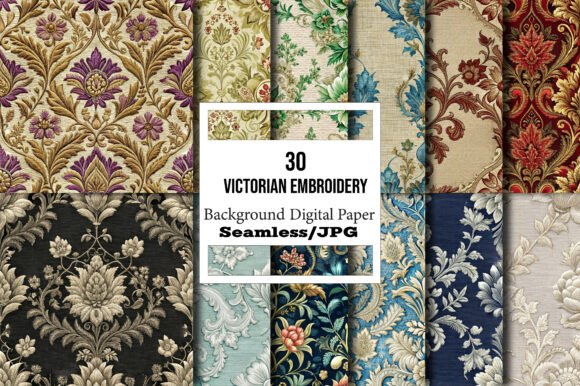
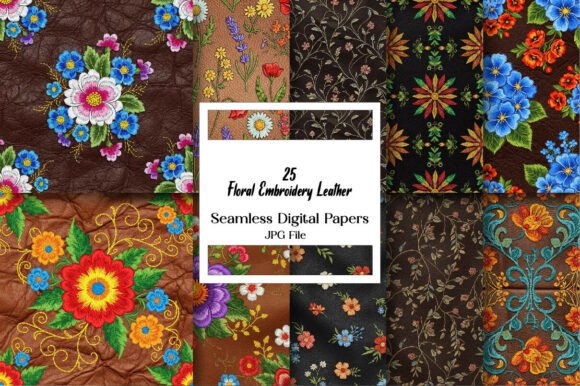
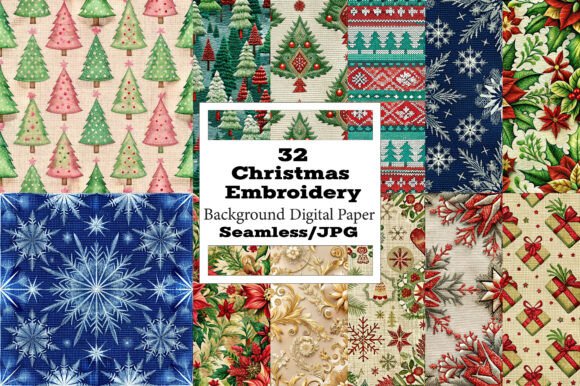
When preparing a limited sweatshirt drop for my small online shop, the first step is always a thorough design evaluation. The candidate for this seasonal collection is the Christmas Embroidery Digital Pattern. My initial impression, based on the title and description, is that this is a versatile, seamless graphics set intended for a broad range of projects. From the description’s keywords—Cute Tote Bags, Notebook Covers, Printable Fabric—the mood leans towards decorative, playful, and cute. This sets a specific expectation for how it might translate into a premium, embroidered apparel product.
First Impressions: Mood and Layout for Boutique Apparel
Considering this digital embroidery file for a sweatshirt collection means imagining its stitching personality. A "seamless" pattern suggests a repeating or modular layout, which could be excellent for creating cohesive accents across a product line. The detail level implied by its use for mini junk journals and scrapbook decoupage hints at intricate elements, but for machine embroidery on fabric, the key question is readability. Will these details hold their form when stitched onto a textured sweatshirt?
The pattern's described versatility suggests it could feel either casual or decorative, depending on application. For a boutique brand, the goal is to elevate it into something premium. On a neutral sweatshirt—a heather grey or cream—this Christmas Embroidery Digital Pattern could lean rustic or minimal if the thread colors are chosen thoughtfully. On a dark fabric like black or navy, it would need strong contrast to feel bold and visually striking, perfect for a statement back design on an oversized hoodie. Applied to pastel-colored apparel, the mood would shift to feminine and cute, aligning well with a cozy, seasonal aesthetic.
Practical Application: From Digital File to Finished Sweatshirt
The leap from a graphics file to a physical, embroidered product is where a designer's concerns become paramount. For sweatshirt embroidery, especially on commercial apparel, several factors directly impact the outcome.
Stitching Integrity and Commercial Durability
The stitch density is a critical, unseen spec. A design meant for tote bags and pillows should have a robust density to withstand use and washing, but if it's too dense for a knit fabric like a sweatshirt, it can cause puckering or stiffness. The choice of stabilizer becomes even more important to compensate for the fabric's thickness and stretch. Without knowing the exact stitch count or recommended hoop size from the product details, this is a reminder to always check those technical specs before production.
Small-size readability is another crucial test. For a classic hoodie chest placement or a subtle sleeve accent, the design's elements must be clear and not merge into a blur of thread. This Christmas Embroidery Digital Pattern, given its potential for intricate graphics, needs evaluation in a mockup at the intended size. Does it feel strong enough for commercial apparel use? If the motifs are well-balanced, it can add significant product value and convey a handmade, quality presentation that builds buyer trust.
Thread Color and Brand Identity
Thread color contrast is not just technical; it's brand identity. Using a festive palette on a neutral ground can create visual recognition for a small shop. Choosing a monochromatic scheme, perhaps all white on a dark garment, could make the design feel more modern and minimal. The embroidery file's layout will dictate how these choices play out. A successful application makes the sweatshirt not just apparel, but boutique merchandise that tells a story in lifestyle product photography and Etsy listings.
Placement and Product Value for Creative Entrepreneurs
For creative entrepreneurs and Etsy sellers, the application directly affects customer engagement. A large, centered back design on an oversized hoodie makes a bold seasonal statement. A smaller, repeated motif along the sleeve or cuff feels playful and decorative, adding a detail that enhances perceived value. This Christmas Embroidery Digital Pattern, as a set of design assets, offers flexibility to experiment.
Using printable mockups to preview these placements is essential. How does the pattern look as a finished product when scaled for a chest logo versus a full-back artwork? The answer determines not only the production plan but also the brand's seasonal aesthetic. For custom apparel branding, a clean, well-executed embroidery design elevates the entire collection, making it feel intentional and premium rather than generic.
The Handmade Presentation and Buyer Trust
Ultimately, the transition from a digital embroidery file to a physical stitch is what customers purchase. The texture of the thread against the fabric texture, the precision of the hooping, the durability after multiple washes—all these factors, influenced by the original digital pattern's construction, contribute to handmade presentation. A design that stitches out cleanly and holds its detail reinforces buyer trust and supports the narrative of a quality small shop product.
Final Design Considerations Before the Drop
In review, the Christmas Embroidery Digital Pattern presents a promising starting point for a festive sweatshirt line. Its seamless nature and described versatility suggest it can be adapted for various placements—from bold central motifs to subtle, repeating accents. The mood can be tailored through thread color and fabric choice to fit rustic, cute, minimal, or decorative themes.
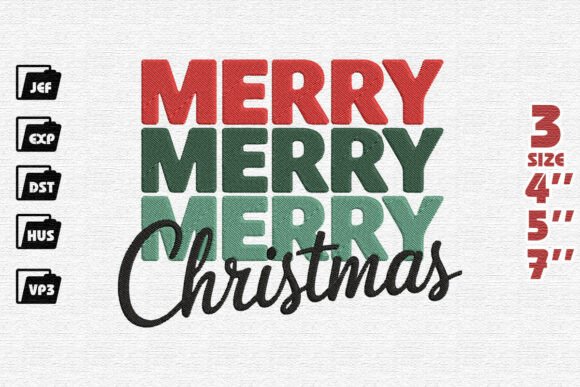
However, the practical designer concerns remain. Before committing to production for a limited drop, I must verify the technical details not provided in the general description: the specific machine embroidery file formats, the recommended hoop sizes for different elements, and the stitch density reports. These are the blueprints that determine whether this graphics pattern will truly shine as premium boutique embroidery on cozy seasonal apparel.
For embroidery shops and apparel decorators looking at this pattern, the potential is clear. With proper testing and adaptation, it can become a key design asset for a successful holiday collection, enhancing visual recognition and customer engagement for any handmade business or creative entrepreneur venturing into custom apparel this season.