Love Script Heart: A Craft Fair Designer's Review
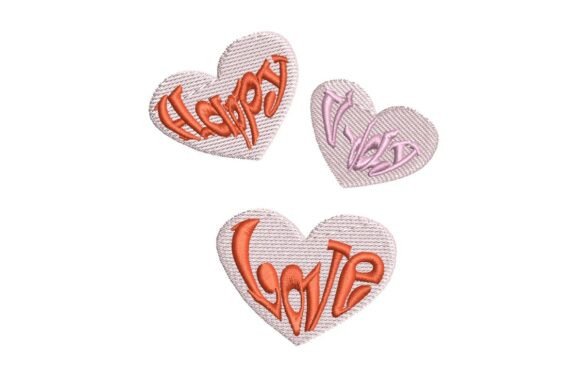
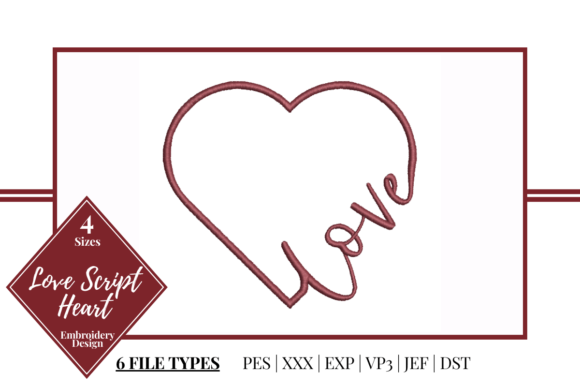
As an embroidery designer preparing for a weekend market, my first job is to evaluate each design for its real-world selling power. When I look at the Love Script Heart Embroidery Design, my immediate impression is one of soft, decorative elegance. It’s a design that sits comfortably between modern minimalism and a touch of romantic rustic charm. This isn’t a loud, graphic statement; it’s a stylish accent, as the description notes, which is a fantastic starting point for a versatile craft fair product.
Where This Design Stands Out in Your Booth
For my table display, I’m thinking of tote bags, aprons, tea towels, caps, fabric pouches, and pillow covers. The Love Script Heart feels like it belongs on items meant to be gifts or personal accessories. It would be a standout on a simple linen tea towel, transforming it from utilitarian to a lovely kitchen decor piece. On a natural canvas tote bag, it adds a premium, handmade quality without being overwhelming. I can see it working beautifully on a small zippered pouch—perfect as a Valentine's Day gift or a year-round sentimental keepsake.
Customer attention at a busy fair is key. This design will catch the eye not through bold size, but through its familiar, heartwarming script. People recognize a heart shape instantly, and the script overlay adds a layer of artistry. It invites a closer look. On a booth sample, like an embroidered apron hanging at the front of the table, it creates a focal point that says “handmade with care” rather than “mass-produced.”
Practical Performance on Different Products
Let’s break down how I expect this machine embroidery design to perform across different mediums.
- Tote Bags & Market Bags: Excellent choice. It’s a medium-scale design that can be centrally placed. It won’t get lost on the larger canvas, and the script details will show well. Using a contrasting thread color on a neutral bag fabric will maximize its stylish accent quality.
- Aprons & Kitchen Towels: Ideal for the farmhouse or rustic aesthetic many customers seek. On a textured towel, careful stabilizer choice is crucial to maintain clarity. The design feels festive enough for Valentine's Day but also soft enough for everyday use.
- Caps: This is a careful-use scenario. The curved surface of a cap can distort small details. Before committing, I would test the design on scrap fabric mimicking the cap’s curve to see if the script lettering remains clear at the intended hoop size.
- Embroidered Patches: A fantastic option. A Love Script Heart patch is instantly giftable and versatile. It allows customers to apply the design anywhere. For patch production, ensuring the stitch density is high enough for a clean edge is vital.
- Pillow Covers & Pouches: Probably the best fit. As a decorative home decor accent, it elevates a simple pillow cover. On a small pouch, it becomes the entire product’s personality, greatly increasing perceived value.
Production Notes for the Busy Maker
Turning a digital embroidery file into a batch of sellable products requires practical planning. Here’s my on-the-ground assessment.
Firstly, the note that colors can be altered based on your thread is a major advantage. It means I can match this design to my brand’s color palette or create seasonal variations. For Valentine's Day, classic reds and pinks are obvious, but soft blues or earthy greens on a cream fabric could make it a year-round seller.
The design’s nature as an “accent” suggests it works well at a moderate size. It’s likely not a tiny, intricate design, nor a huge focal piece. This is good for production speed and hoop size flexibility. However, I would inspect stitch density in the heart shape itself. Dense stitch areas on thicker fabrics like canvas require proper stabilization to prevent puckering.
Small lettering within the script is my primary concern for clarity. When embroidered on darker fabric or textured linen, tiny details can blur. Checking thread contrast is non-optional. A light thread on dark fabric, or a bold thread on light fabric, will make all the difference. Before any batch production, creating at least one real mockup on the actual product fabric is essential. This tells me if I need to adjust the hoop size or stabilize differently.
Selling Power: Visual Appeal & Customer Engagement
This design affects your booth’s success in several key ways.
- Visual Appeal: It communicates handmade quality and thoughtfulness. It looks intentional and designed, not generic.
- Customer Attention: It attracts customers looking for gifts or subtle personalization. It’s a conversation starter about customization (“I could do this in your favorite color”).
- Product Value: On an item like a plain tea towel, it significantly increases the perceived value, allowing for a better price point.
- Booth Display Strength: A cohesive line of products—all featuring the Love Script Heart in coordinated colors—creates a strong, professional brand display.
- Buyer Engagement: It’s inherently emotive. It connects with customers on a personal level, which is exactly what sells at a handmade market.
Final Designer Checklist Before the Fair
To ensure Love Script Heart becomes a reliable craft fair product, I would follow this list:
- Test stitch-out on scrap fabric resembling my final products (towel texture, bag canvas, etc.).
- Check the design file for recommended hoop size and confirm it fits my intended products.
- Experiment with 3-4 thread color schemes to offer variety at my booth.
- Create a high-quality printable mockup for my Etsy listings or website to showcase the design.
- Compare how the design looks on light versus dark fabric swatches.
- Review the commercial licensing terms of the embroidery file to ensure I am cleared for selling finished products.
- Produce one flawless sample for each primary product type (tote, towel, pouch) to use as my booth champions.
In summary, the Love Script Heart Embroidery Design is a strong candidate for a versatile, emotionally resonant product line. Its elegant, accent-style nature makes it adaptable, but its success hinges on the maker’s attention to practical embroidery details: fabric choice, thread contrast, and a commitment to testing. With that care, it can become a signature, sellable piece that captures both the eye and the heart of craft fair customers.