Joy in Edwardian Script: A Designer's Review for Real Projects
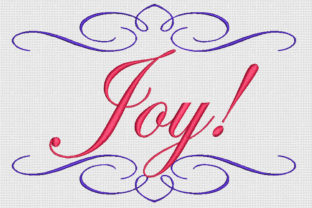
When a design file named Joy lands in my library, my first question is always practical: where would I actually use this? Not just in theory, but on a real product, for a real client, or in my own small shop. This particular Joy, rendered in a flowing Edwardian Script, presents an elegant and classic opportunity. The name alone sets a mood—it’s inherently positive, celebratory, and warm. The script style amplifies that feeling with its graceful, interconnected curves and a sense of timeless refinement. It doesn’t scream; it whispers with sophistication. My immediate mental image was of a beautifully embroidered linen pillow cover, a special gift for a wedding or new home, where that single word carries all the sentiment needed.
The Personality of the Design & Its Natural Project Home
The visual personality of this machine embroidery design is one of delicate confidence. The letters flow together in a way that suggests it’s meant to be appreciated as a whole artistic piece, not just read as text. This makes it a fantastic candidate for projects where the embroidery itself is the focal point, not merely a label. Think of a minimalist tote bag where Joy is centered beautifully on the front, or the corner of a high-quality baby blanket. It belongs on items where you want to evoke a feeling of quiet happiness, cherished moments, or personal inspiration. For small business merchandise, this could be a perfect signature piece for a boutique focusing on mindfulness, wellness, or heartfelt gifts.
Performance on Real Products: From Totes to Tea Towels
In practical application, a script design like this needs careful consideration to ensure its elegance translates into clean stitches. On stable, medium-weight fabrics like canvas for tote bags, cotton for aprons or kitchen towels, and quilting cotton for pillow covers, I expect it to perform beautifully. The continuous curves should result in smooth satin stitches that look luxurious. For custom apparel like sweaters or sweatshirts, using a firm stabilizer is key to prevent puckering on the knit fabric, especially in the design's more detailed curved corners.
I would be cautious about using it on very small hoop sizes or on highly textured fabrics like some towels, where the fine details might get lost. Similarly, on stretchy fabrics like thin t-shirts, the design’s interconnected letters could distort if not stabilized perfectly. One of its strengths, however, is its versatility in application. It could be stunning as a standalone piece on a baby item like a keepsake bib or a nursery wall hanging, or as a decorative accent on a holiday gift like a cozy blanket. For Etsy sellers and creative entrepreneurs, this design adds significant value to a finished product, elevating a simple item into a thoughtful, personalized gift.
A Real Scenario: Crafting a Boutique Holiday Sweatshirt
Let’s walk through a real case. Imagine I’m preparing a limited-run sweatshirt for my small shop’s holiday collection. I want something uplifting and beautiful, not overtly Christmas-themed. I choose a high-quality, heather gray sweatshirt. I test Joy on a scrap piece first, checking the stitch density to ensure it won’t be too heavy for the fleece fabric. I select a soft rose gold thread for a subtle, festive sparkle. After confirming my hoop size can accommodate the design’s full width without crowding, I proceed. The final result is a sweatshirt that feels special—the word Joy in that elegant script becomes both a decoration and a message. It’s exactly the kind of product that engages buyers looking for meaning in their purchases, and it photographs beautifully for printable mockups and online listings.
Where To Use With Extra Care
While Joy is adaptable, its script nature requires a designer’s attention in a few specific situations. On dark fabrics, the contrast must be high—a light thread on dark denim or a black cap would look striking, but you must inspect the small details in a test run to ensure the delicate connections between letters remain clear. Embroidering on curved surfaces like caps demands careful positioning so the flowing baseline of the script doesn’t look awkward over the seam.
For products destined for frequent washing, like everyday embroidered patches on workwear or children’s items, I’d consider the stitch density. A denser design holds up better, but you must balance that with the fabric’s flexibility. Always test wash your sample. Also, when thinking of commercial embroidery projects or producing multiples for your craft business, consistency is key. A clean, well-defined design like this maintains brand consistency and professionalism across many units, building customer trust in your handmade presentation.
Practical Designer Notes Before You Hoop
Before loading this embroidery file and starting a project, here are my habitual checks. First, always stitch it out on a scrap of your actual project fabric. This reveals everything: how the fill stitches behave, whether any tiny gaps need adjusting, and how the thread colors you’ve chosen interact with the material. Compare it on both light and dark background scraps if you plan to use it across various products.
Second, inspect the design in your software at full size. Look at the intricate corners and joins in the script to ensure your machine and chosen stabilizer can handle them cleanly. Third, and critically for sellers, confirm the licensing terms for this design. Since it comes in multiple embroidery file formats for multiple machines, it’s clearly meant for broad use, but you must verify if it’s licensed for commercial use and selling finished items or as part of your digital product assets. Never assume.
Finally, think about visual appeal beyond the hoop. How will this design look in your product photos? Does it add a sense of giftability and recognition to a simple tote or tea towel? For me, Joy in this script does exactly that. It turns a basic canvas bag into a meaningful statement piece, likely to resonate with customers looking for a touch of inspiration in their everyday lives.
The Final Stitch: A Design That Adds Value
In the end, evaluating a design like Joy isn’t about the file itself; it’s about the finished product it helps create. This Edwardian Script version offers a beautiful, mood-setting element for a wide range of projects. Its strength is in its emotional resonance and classic aesthetic. By pairing it with the right fabrics, threads, and stabilizers, and by following those essential pre-flight checks, you can produce embroidered items that feel professional, heartfelt, and genuinely valuable. Whether you’re a hobbyist making a gift, an apparel decorator fulfilling a client order, or an Etsy seller building your winter collection, this design provides a reliable and elegant tool to express a simple, powerful idea. Just remember: always stitch it out first. Your scrap fabric is the truest review.